The South, with its mild climate, abundant river systems, and fertile land, has contributed to the development of a rich, local, and diverse cuisine. Each area has its own signature dishes that clearly reflect the local lifestyle and culture.
From simple dishes like bánh xèo and hủ tiếu, to more elaborate ones like lẩu mắm or bún riêu cua, all embody the openness and generosity of Southern people. Ingredients are typically fresh river and sea produce such as shrimp, fish, crab, and snails, combined with local vegetables like water lily stems, morning glory, and young banana. These elements create a culinary picture that is both rich and refreshing.
Seasonings such as fish sauce, garlic, and chili are indispensable, enhancing the dishes with a harmonious blend of salty-sweet and spicy flavors. Southern cuisine is also the intersection of various cultures, including influences from the Khmer, Cham, and Chinese communities—creating an unmistakable uniqueness.
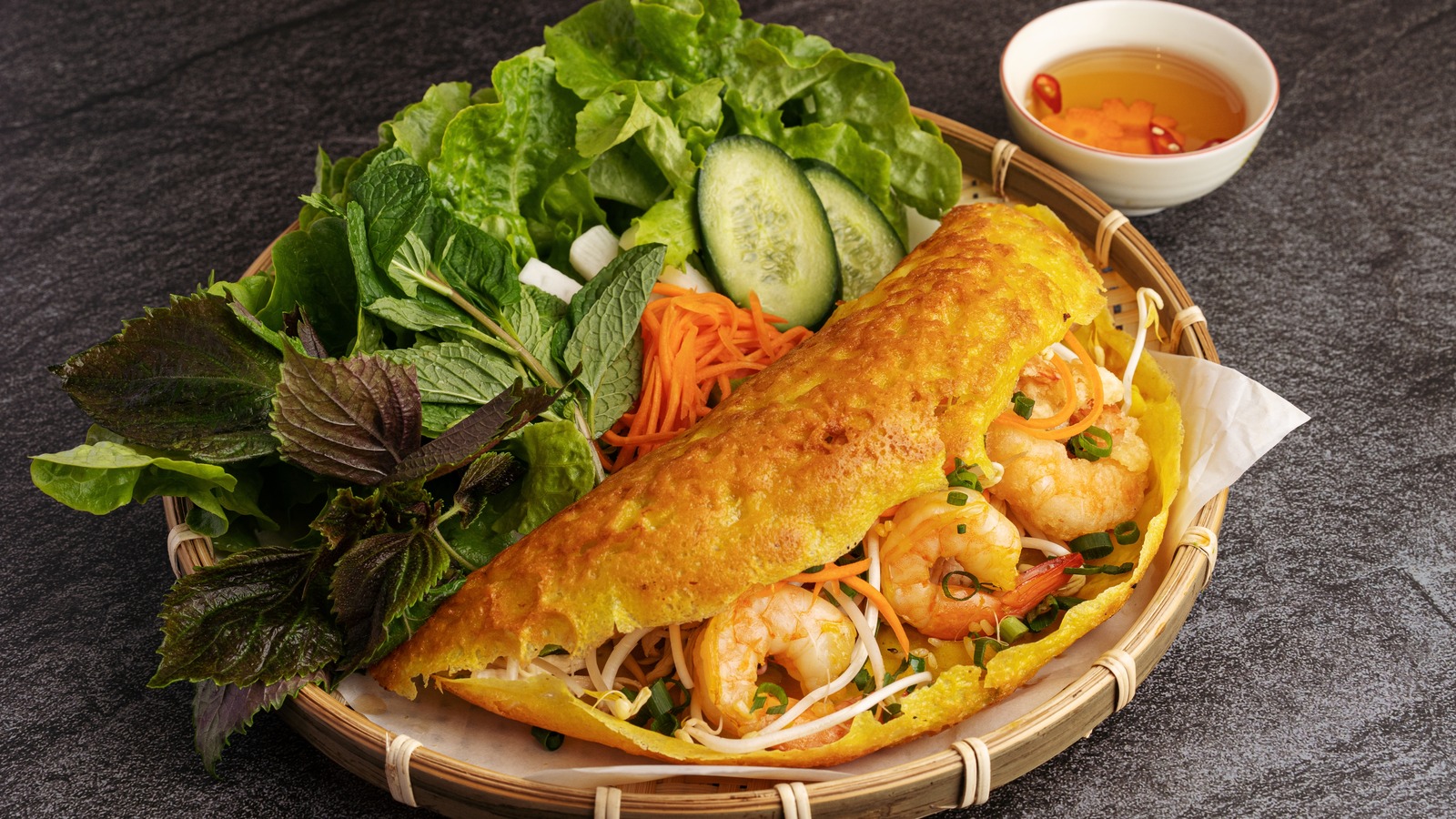
Western-style bánh xèo is like a culinary artwork: a thin, crispy, golden crust thanks to rice flour mixed with coconut milk and turmeric. The filling includes fresh river shrimp, thinly sliced pork, and crunchy bean sprouts, all blending into a unique flavor. The dish is perfected when eaten with herbs like fish mint, lettuce, aromatic greens, sour starfruit, and young banana slices. When wrapped in leaves and dipped in sweet-sour fish sauce, you’ll experience an explosion of flavor—a refined touch of Mekong Delta cuisine.
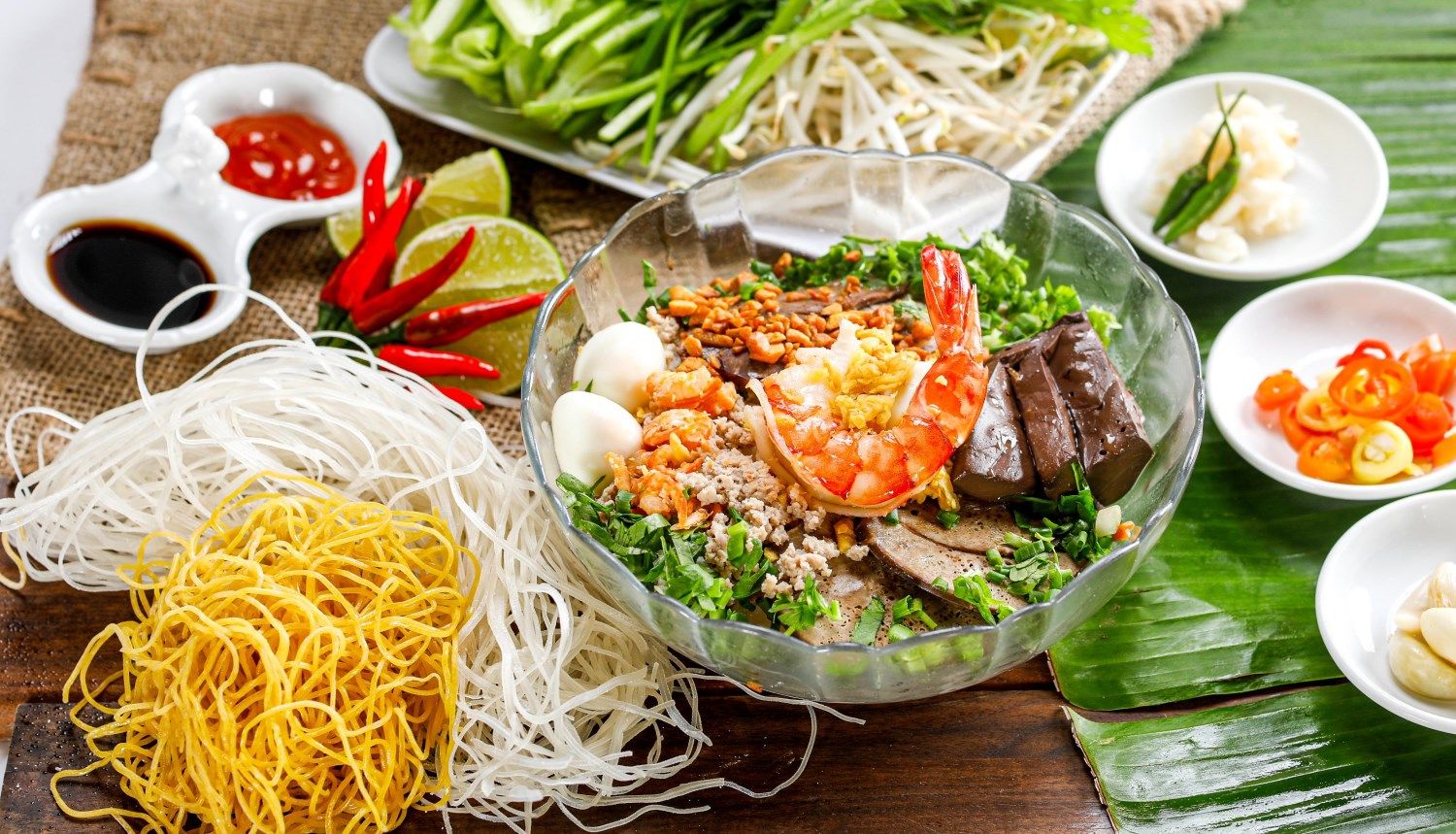
Though originally from Cambodia, hủ tiếu Nam Vang has been adapted to Southern tastes. A bowl features soft white noodles, clear and flavorful broth made from carefully simmered bones, and toppings such as minced pork, tiger shrimp, pork organs, quail eggs, and liver. Fresh herbs and a chili soy sauce mix are must-haves to complete the flavor. This dish not only tastes delicious but also reflects how Southerners embrace and blend culinary influences.
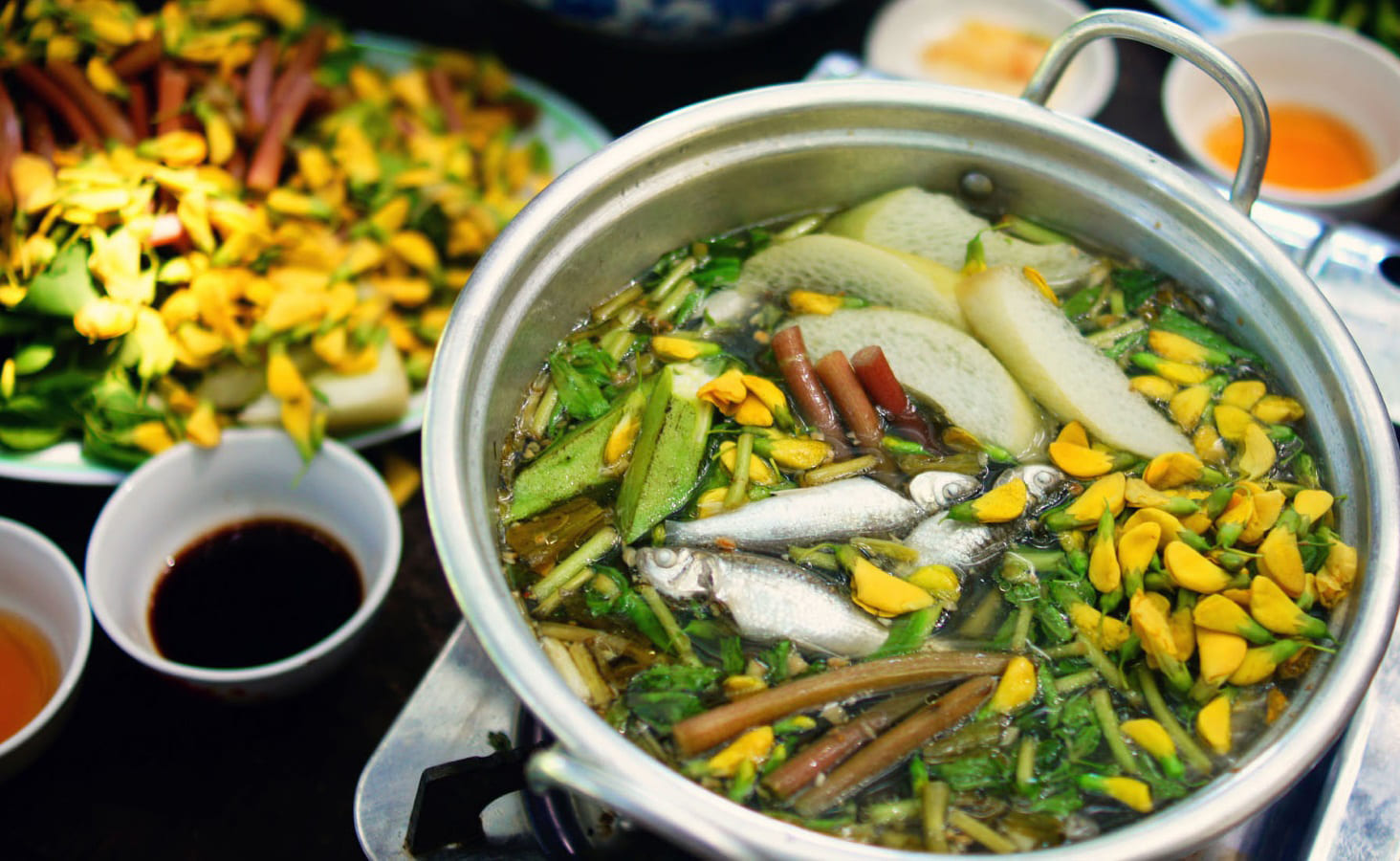
Lẩu mắm represents the full essence of Southwestern cuisine. A steaming pot is made with fermented fish like cá linh or cá sặc—regional specialties with a distinct aroma. The hotpot includes fresh fish, shrimp, pork belly, and a variety of wild vegetables like bông điên điển, water hyacinth stems, water mimosa, and morning glory. Each tasting is a deep experience, warming the heart on chilly afternoons. More than just food, it is a chance for families to gather and share stories around the meal.

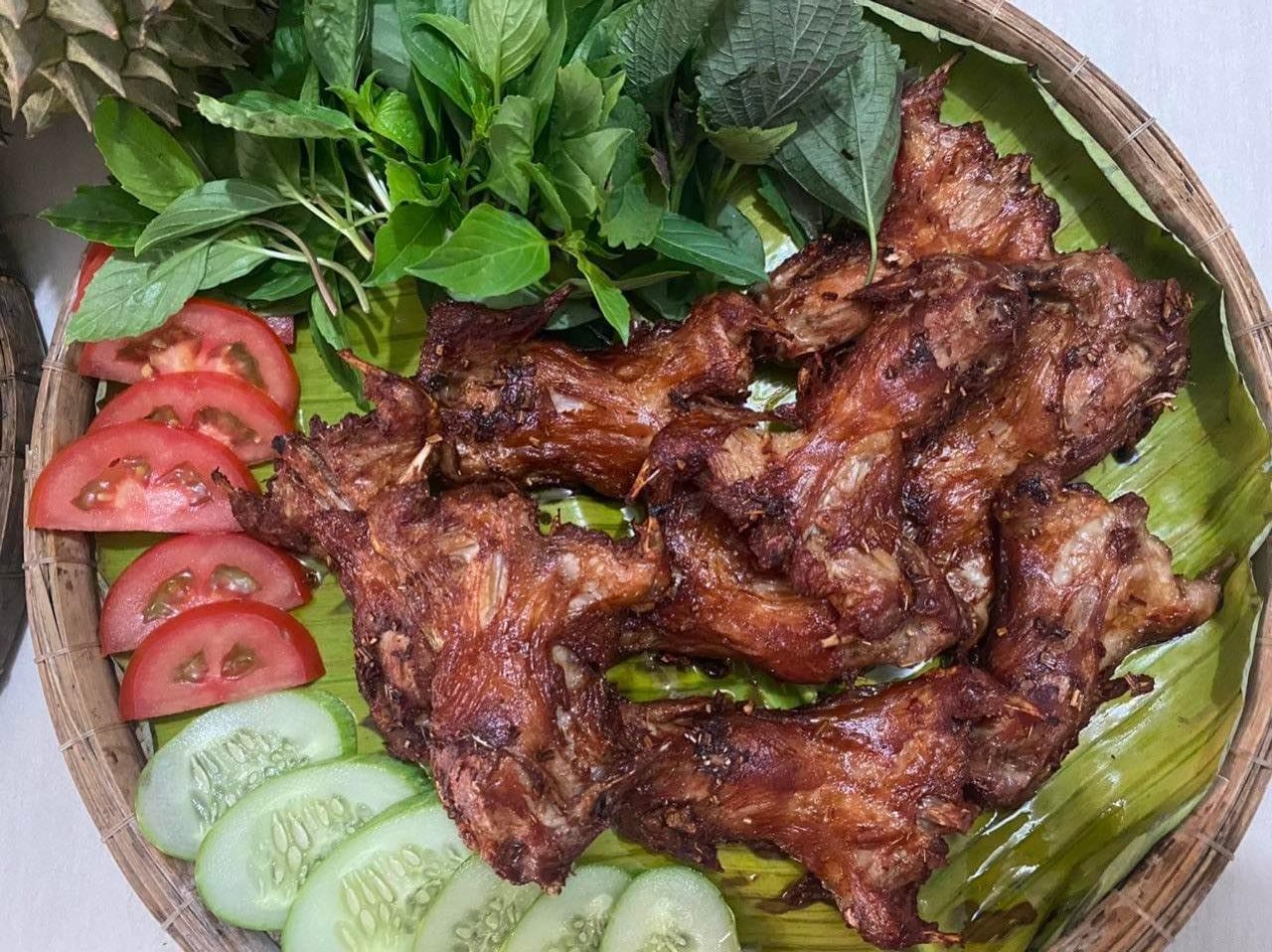
In provinces like Đồng Tháp and An Giang, field rat is a rustic yet surprisingly popular dish. Plump rats caught after the rice harvest are cleaned, marinated with lemongrass, garlic, chili, and pepper, then grilled over charcoal until the skin is crispy and golden. One bite reveals sweet, chewy, aromatic meat with a spicy kick. Typically served with lime salt and fresh greens, this dish offers a novel and memorable taste experience. For many locals, grilled rat evokes childhood memories of the countryside.
Bánh canh ghẹ combines the natural sweetness of fresh crab with the chewy texture of rice noodles. The broth, simmered from bones and crab, is enriched with a hint of coconut milk, creating a velvety soup that melts in your mouth. Vibrant red crabs with firm meat sit atop the steaming bowl, garnished with scallions and ground pepper—both delicious and visually stunning. This is a must-try dish for anyone visiting Vũng Tàu.
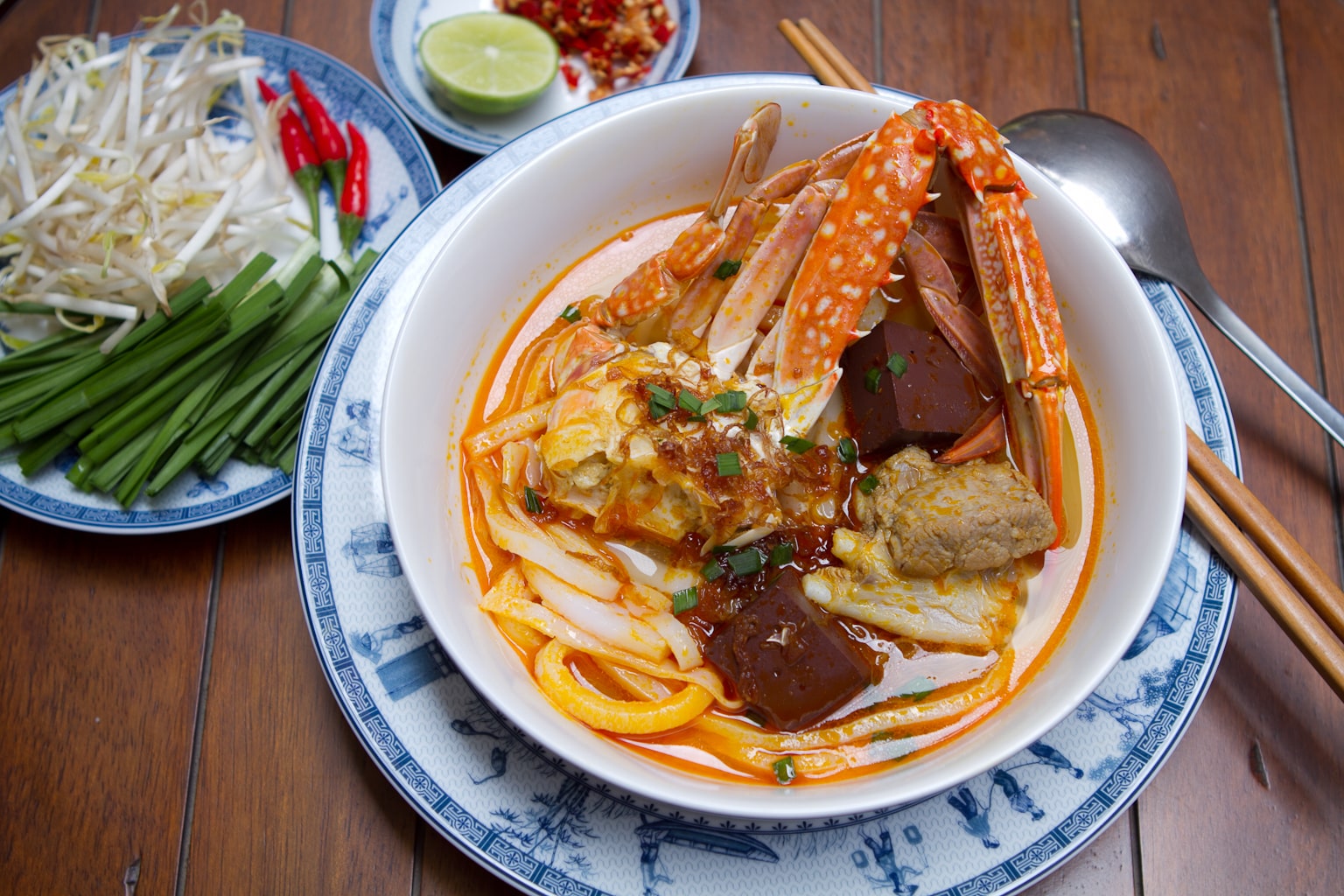
Bún riêu cua is a familiar breakfast for Southerners. Its highlight is the pure crab paste—creamy and fragrant—combined with a tomato and fermented shrimp paste broth. The dish is accompanied by fried tofu, congealed pig’s blood, pork rolls, and fresh herbs. Each bowl balances sour, spicy, salty, and sweet notes—an irresistible flavor. More than just food, it’s a nostalgic reminder of early mornings and street vendors calling out in small neighborhood alleys.

When the flood season arrives, Westerners eagerly prepare lẩu cá linh bông điên điển—a dish encapsulating the soul of the river. Sweet cá linh, bright yellow bông điên điển, and lightly sour broth from tamarind combined with fragrant lemongrass make this dish rich yet delicate. Served with fresh noodles and herbs, every bite bursts with freshness and harmony. A staple at Southwestern family gatherings, this hotpot symbolizes the close bond between people and nature.
Sol Cu Chi hopes this article helps you better understand the richness and appeal of Southern cuisine. Each dish is not just a mix of ingredients and techniques, but also a cultural story—the soul of the people here. Try these specialties at least once to truly savor the flavor of the Southern land!