1. Northern Vietnam Cuisine – Balanced and Delicate
Northern Vietnamese cuisine emphasizes balance, freshness, and subtle flavors. Dishes often feature seasonal vegetables, light seasonings such as fish sauce, soy sauce, and herbs. Famous dishes from the North include Hanoi-style pho, Bún Thang (rice vermicelli soup), Chả cá Lã Vọng (grilled fish with dill), fried spring rolls, and green rice from Vong village.

The Tet feast tray is one of the most unique and longstanding cultural traditions of the Vietnamese people.
2. Central Vietnam Cuisine – Bold and Spicy
Cuisine from Central Vietnam stands out with its spicy, salty, and intensely flavored dishes. Meals are often prepared with intricate techniques and vibrant presentations. Some signature dishes include Bún Bò Huế (spicy beef noodle soup), Mì Quảng (turmeric noodles), Bánh Bèo (steamed rice cakes), Bánh Nậm, and a wide variety of regional fish sauces and fermented seafood.

Mi Quang – A must-try specialty dish from Quang Ngai.
3. Southern Vietnam Cuisine – Sweet and Lively
Southern Vietnamese food is known for its natural sweetness and the use of fresh tropical ingredients. Dishes are often colorful, full of herbs, and slightly sweet due to the use of coconut milk and sugar. Popular choices include caramelized clay pot fish (Cá Kho Tộ), Cơm Tấm (broken rice), Hủ Tiếu Nam Vang (Phnom Penh-style noodles), Bánh Xèo (crispy pancakes), and sweet and sour fish soup.
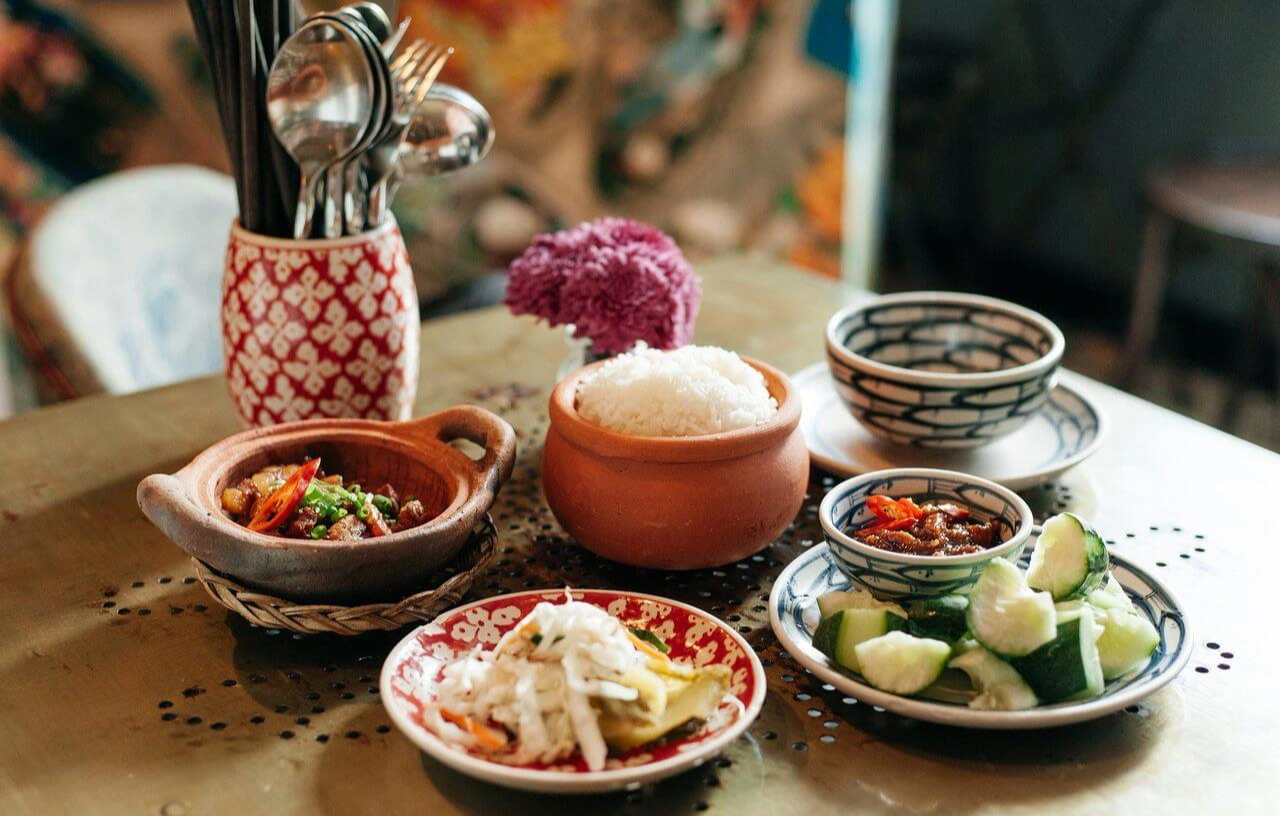
Southern Vietnamese cuisine – A fusion of diverse ethnic cultures.
4. Vietnamese Street Food – A Cultural Treasure
Street food plays a vital role in Vietnamese culinary culture. It brings together convenience, affordability, and rich flavors in every bite. From Bánh mì, Phở, Bún riêu, chè (sweet soups) and bánh tráng trộn (mixed rice paper salad), Vietnamese street food is a must-try for every food lover.

Cuisine helps bring the image of Vietnam closer to the world.
5. Modern Trends and Culinary Fusion
In recent years, Vietnamese cuisine has embraced modern food trends such as vegetarian and plant-based dishes, fusion cuisine, and healthier cooking methods. These adaptations keep Vietnamese food fresh, creative, and appealing to a global audience while still preserving its cultural roots.
Vietnamese cuisine is not only about flavors but also about cultural expression, tradition, and creativity. Exploring Vietnamese food is a way to understand the people and the history of the country. Don’t miss the chance to experience these authentic tastes that make Vietnam’s culinary heritage truly remarkable.