Vietnamese cuisine spans the length of the country, with each region offering its own distinct flavors. Northern dishes are known for their balance and subtlety. Central Vietnam favors bold, spicy tastes, while Southern cuisine is typically sweeter and more diverse. This regional variety forms a rich culinary map that draws in both locals and international food lovers.
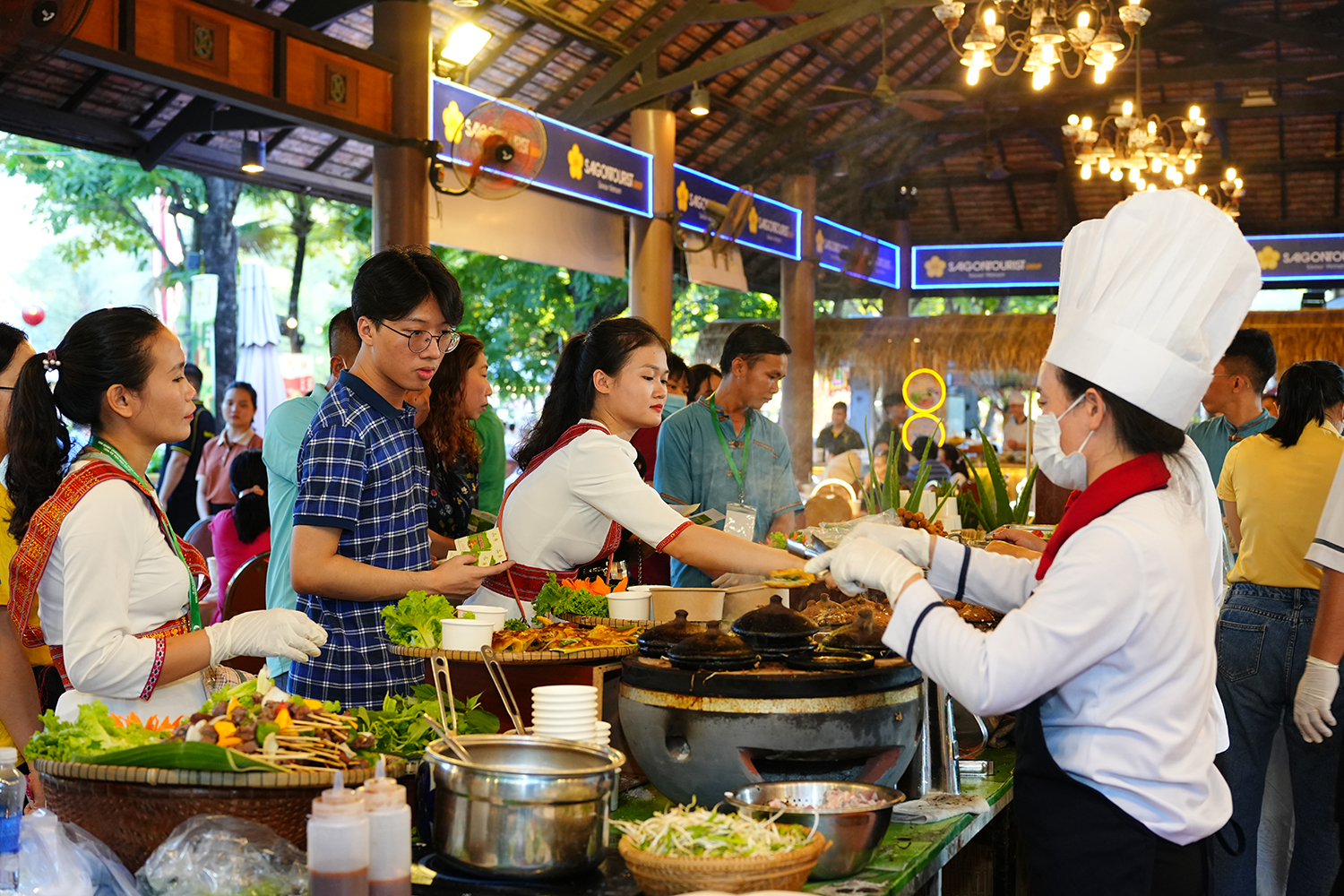
The uniqueness of Vietnamese cuisine.
Pho from Hanoi, bun bo Hue from Central Vietnam, Saigon’s banh mi, fried spring rolls, and fresh summer rolls are just a few highlights. These dishes have gained global recognition, each telling a story of tradition, geography, and cultural pride. Whether simple street food or complex festive meals, Vietnamese dishes always aim for harmony in taste and texture.
Promoting the traditions of Vietnamese cuisine.
Vietnamese people place great emphasis on balance—between yin and yang, the five tastes, and nutritional value. Meals are not only meant to satisfy the palate but also promote health. Herbs, vegetables, and natural spices like ginger, garlic, and lemongrass are commonly used, offering both flavor and wellness benefits.
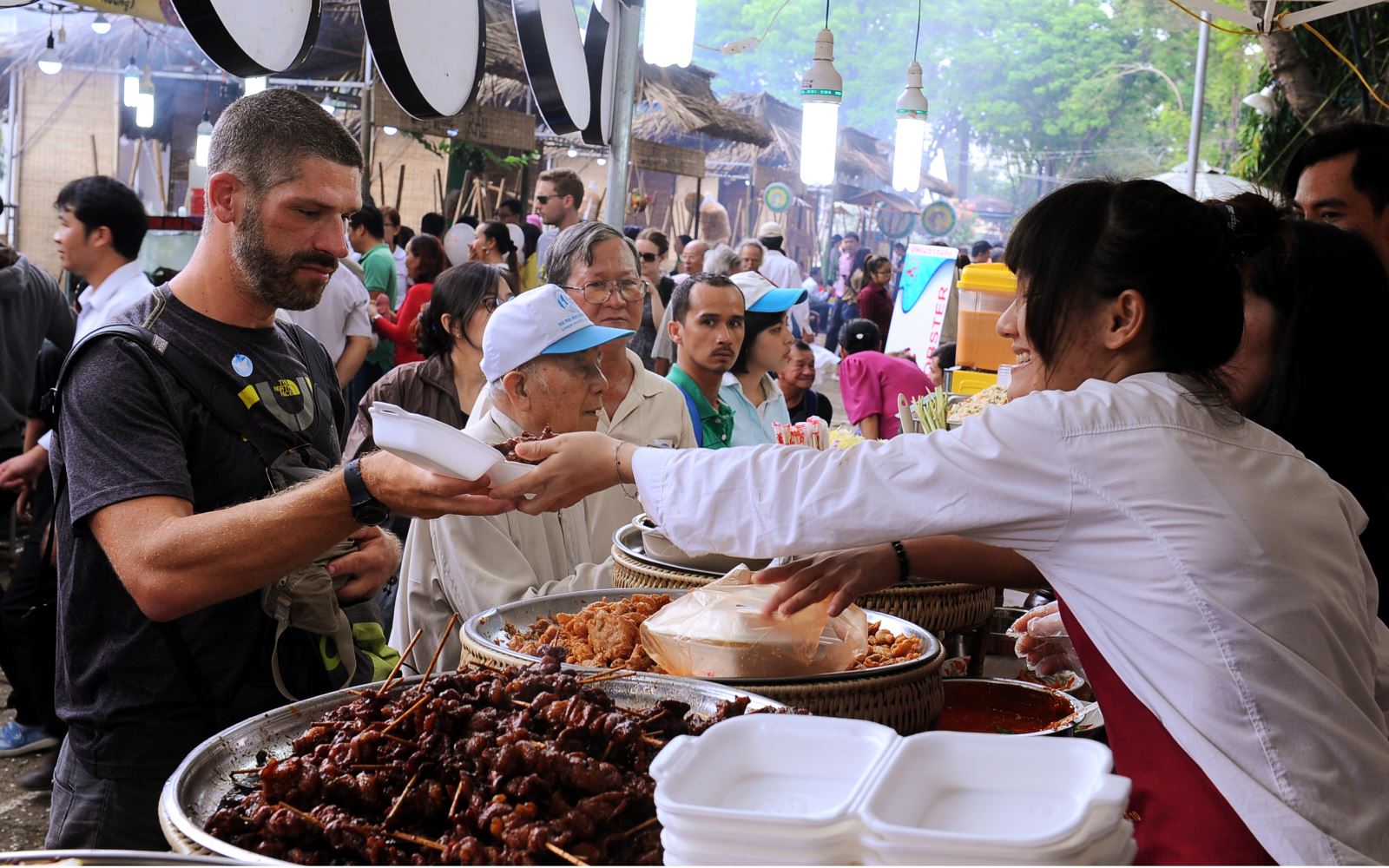
Culinary cultural festivals.
Food in Vietnam is more than sustenance; it is a way of connecting with family and community. From Tet (Lunar New Year) feasts and wedding banquets to daily home-cooked meals, food plays a central role in social rituals and cultural expression. Many traditional dishes are also tied to festivals and carry symbolic meanings.
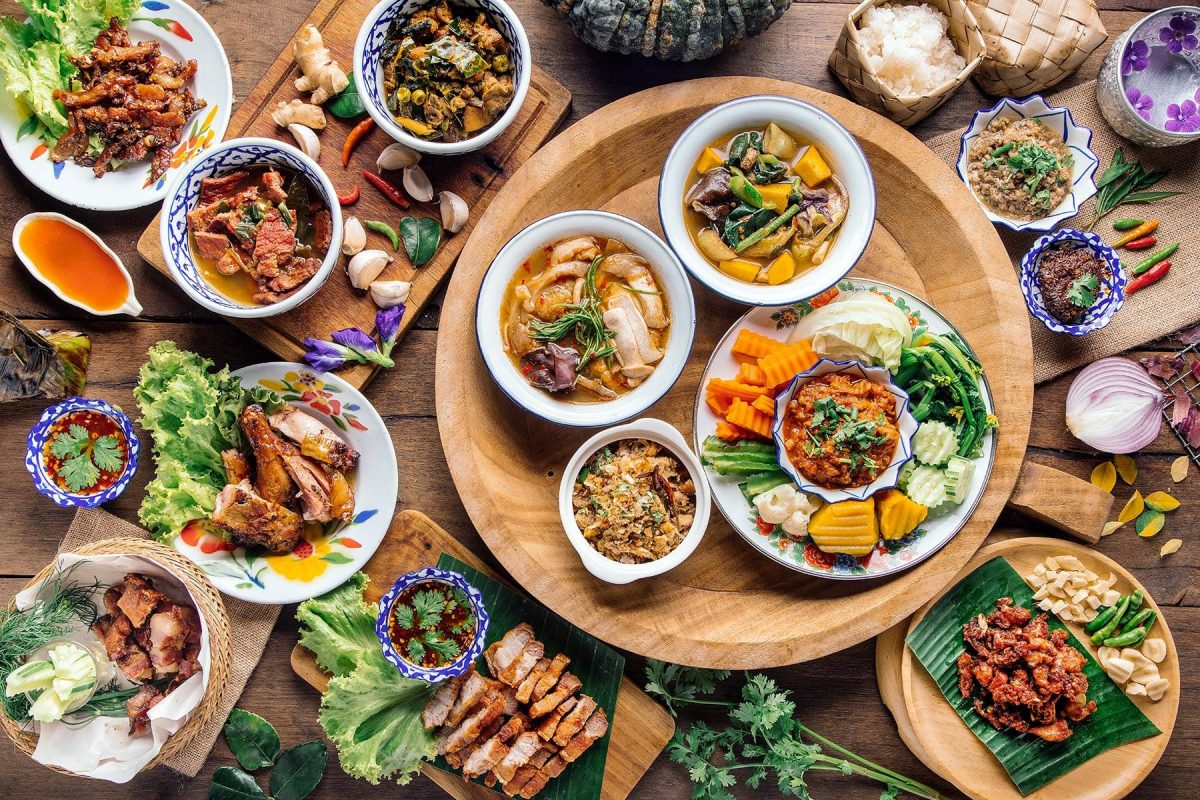
The cuisine of each ethnic group within the Vietnamese community has its own distinct identity.
Vietnamese dishes are increasingly recognized in international rankings and food shows. Pho, banh mi, and Vietnamese iced coffee have become familiar to global audiences. The growing presence of Vietnamese restaurants around the world reflects the cuisine’s universal appeal and global potential.